Meditation offers so many benefits, from easing stress and anxiety to boosting overall well-being. If you suffer from headaches and irritability—and who doesn’t?—it can help too.
As a busy mom myself, I know how chaotic our days can get. Anything that helps us find some calm amidst the daily hustle, improves mental health, and combats anxiety disorders is definitely worth considering.
In today’s blog, I want to dive into the benefits of meditating, especially how mindfulness meditation and guided meditation can help with anxiety symptoms.
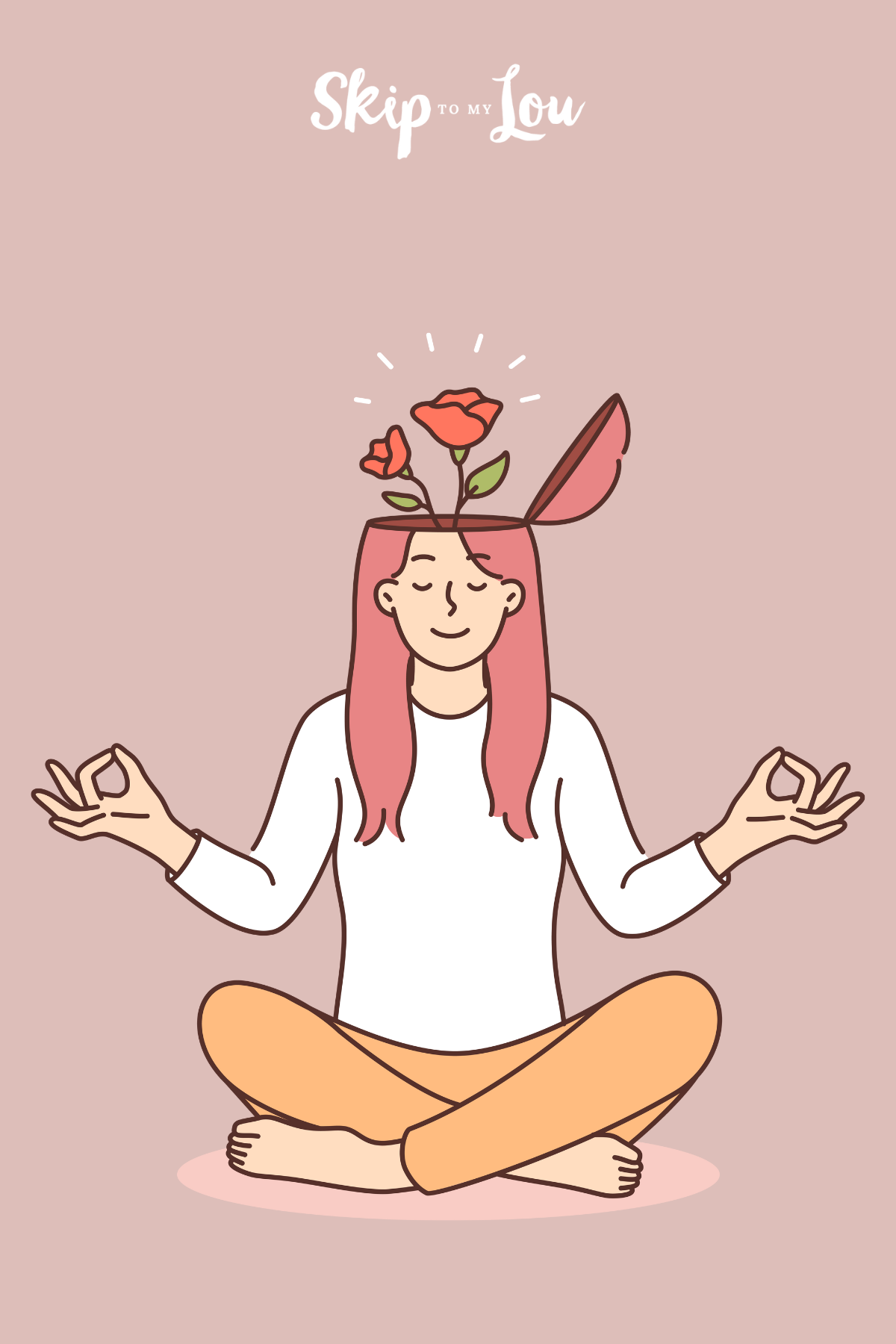
Some of you might already be familiar with different types of meditation, perhaps through yoga, where it’s often a key part of the practice. While meditation was once seen as a trendy, new-age activity, it’s now recognized in many forms and praised by participants for its wide-ranging benefits.
Meditation practices can significantly reduce worries and physical sensations of tension, making a real difference in managing anxiety and bringing a sense of calmness and acceptance to our lives.
Many people dealing with anxiety disorders, such as generalized anxiety disorder or panic disorder, often seek out various treatment options. While medication can be effective, meditation practices offer a powerful, side-effect-free alternative. Techniques like mindfulness-based stress reduction (MBSR), developed by Jon Kabat-Zinn, have been shown to help manage symptoms of anxiety, reduce blood pressure, and lower heart rate.
Mindfulness-based cognitive therapy (MBCT) is another effective approach, combining mindfulness practices with cognitive therapy to help individuals recognize and change negative thought patterns. This therapy has proven particularly beneficial for those dealing with depression and social anxiety. Participants in meditation programs often report improved emotion regulation and a greater sense of calmness and acceptance.
For beginners, guided meditation sessions led by experienced instructors can be particularly helpful. These sessions often involve focusing on breath awareness, performing a body scan, and practicing mantra meditation. These techniques help reduce muscle tension, alleviate headaches, and calm stress hormones.
In our connected world, there are countless resources available for anyone interested in starting a meditation practice. You can find guided meditation audio sessions on platforms like Instagram and Facebook, allowing you to easily incorporate mindfulness into your daily routine.
By dedicating a few minutes each day to mindfulness meditation, you can experience a profound impact on your mental health and overall well-being. Whether you’re dealing with the pressures of daily life or more severe anxiety symptoms, meditation can be a valuable tool for finding peace and balance.

Symptoms of Anxiety
It’s worth noting the various symptoms of anxiety. You may already have experienced several of these if you are struggling.
- Excessive Worrying: Persistent and uncontrollable worry about various aspects of daily life.
- Restlessness: Feeling on edge or unable to relax, often accompanied by a sense of impending doom.
- Fatigue: Chronic tiredness or feeling drained despite adequate rest, often due to the mental strain of anxiety.
- Difficulty Concentrating: Trouble focusing or maintaining attention on tasks, sometimes described as having a “blank mind.”
- Irritability: Increased irritability or short temper, often disproportionate to the situation.
- Muscle Tension: Tightness, stiffness, or discomfort in muscles, often leading to aches and pains.
- Sleep Disturbances: Difficulty falling asleep, staying asleep, or experiencing restful sleep, often due to racing thoughts.
- Panic Attacks: Sudden episodes of intense fear or discomfort, with symptoms like heart palpitations, sweating, trembling, and shortness of breath.
- Avoidance Behaviors: Steering clear of situations or activities that trigger anxiety, which can impact daily functioning.
- Physical Symptoms: Nausea, headaches, dizziness, increased heart rate, and other physical issues that can accompany anxious feelings.
We lead stressful lives, and anxiety is something we all have to deal with. If you have any of these symptoms, then you know that you are an anxiety sufferer.
MBSR and MBCT practices are quite similar, as both are rooted in mindfulness techniques. However, MBCT integrates cognitive therapy elements to specifically address negative thought patterns and emotional regulation.
We’ve outlined ways to get started with either of them below
Mindfulness-based Stress Reduction (MBSR)
Here are some ideas about how you can practice MBSR
- Find a Quiet Space: Choose a calm, quiet place where you won’t be disturbed.
- Set Aside Time: Dedicate around 30-45 minutes each day for practice.
- Body Scan Meditation: Lie down or sit comfortably and mentally scan your body from head to toe, noticing any tension or sensations.
- Sitting Meditation: Sit in a comfortable position, focus on your breath, and gently bring your attention back whenever your mind wanders.
- Mindful Movement: Engage in gentle yoga or stretching exercises, paying close attention to your body’s movements and sensations.
- Breath Awareness: Focus on your breathing, noticing the sensation of each inhale and exhale. Use this as an anchor to stay present.
- Mindfulness of Daily Activities: Practice being fully present during everyday tasks like eating, walking, or washing dishes.
- Guided Meditations: Use guided meditation audio or video sessions to help stay focused and follow along with structured practices.
- Group Sessions: Participate in MBSR group programs or classes, either in-person or online, to benefit from a supportive community and expert guidance.
- Journaling: Keep a mindfulness journal to reflect on your experiences and progress.
Mindfulness-based cognitive therapy (MBCT)
- Find a Quiet Space: Choose a calm, quiet place where you won’t be disturbed.
- Set Aside Time: Dedicate around 30–60 minutes each day for practice.
- Breath Awareness: Focus on your breathing, observing each inhale and exhale to stay grounded in the present moment.
- Body Scan Meditation: Lie down or sit comfortably and mentally scan your body, observing sensations without judgment.
- Thought Awareness: Notice your thoughts, especially negative or distressing ones, and observe them without trying to change them initially.
- Three-Minute Breathing Space: Use this quick practice to center yourself during stressful moments by focusing on your breath, body sensations, and current thoughts and feelings.
- Cognitive Therapy Techniques: Identify and challenge negative thought patterns. Use techniques such as thought records to analyze and reframe unhelpful beliefs.
- Mindful Movement: Engage in gentle yoga or stretching exercises, paying close attention to your body’s sensations and movements.
- Mindfulness of Routine Activities: Apply mindfulness to daily tasks like eating or walking, fully engaging in the present moment.
- Behavioral Activation: Plan and engage in positive activities that align with your values to counteract depression and improve mood.
- Guided Meditations: Use audio or video sessions to follow structured mindfulness practices, helping maintain focus and consistency.
- Group Sessions: Join MBCT group programs or classes, either in-person or online, for peer support and professional guidance.
- Journaling: Maintain a mindfulness journal to reflect on your thoughts, emotions, and progress, helping track patterns and growth.
Meditation will help you to manage your anxiety.
Being a Better You
Here are some other ways you could help improve your life in terms of health, exercise, and diet.
- The Benefits Of Morning Meditation
- 93 Great Gym Quotes to Get You Motivated!
- Healthy Whole Wheat & Flax Pancakes
- Delicious and Healthy Homemade Granola Breakfast Treat
- Growth Quotes
- Peace Of Mind Quotes
I would love to keep you fully stocked with creative ideas, yummy recipes, fun crafts, and loads of free printables. Subscribe to Skip to my Lou to get new ideas delivered to your inbox. Follow me on Facebook, Pinterest, Twitter, and Instagram for all my latest updates.